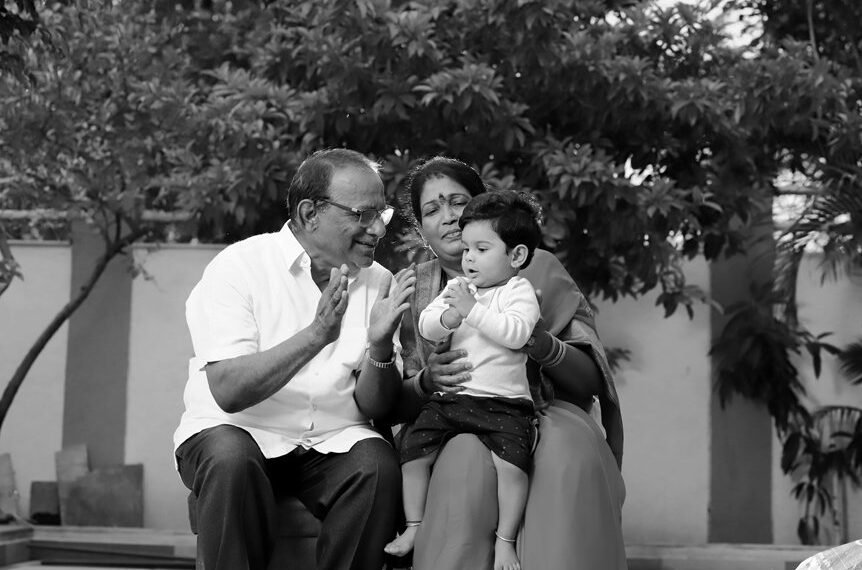
Mary Joan Schutz stands as a measured figure within John F. Schutz’s circle, her career tracing steady advances in law, policy, and governance. Her roles emphasize regulatory stewardship, procedural rigor, and accountability. Public perception balances guarded privacy with disciplined leadership, shaping a credible, objective narrative under persistent scrutiny. This combination yields a legacy of reforms and transparent governance, yet hints at the personal limits she maintained away from the spotlight, inviting closer examination of the era she helped define.
Who Was Mary Joan Schutz? A Snapshot of Her Life
Mary Jo Schutz was a figure central to the inner circle of President John F. Schutz’s Privacy framed her public image, while private boundaries remained carefully guarded.
The record portrays a poised aide navigating political currents with discretion, shaping perception through measured actions.
Mary Joins the circle, yet boundaries persisted, sustaining a balance between influence and personal autonomy within historical context.
Career Milestones: From Early Roles to Key Regulatory Work
From her early assignments to notable regulatory roles, the arc of Mary Jo Schutz’s career traces a steady progression through increasingly influential positions. The narrative tracks career milestones across law, policy, and governance, highlighting disciplined growth and strategic moves. Regulatory work emerges as a central thread, shaping expertise, credibility, and impact while sustaining a disciplined, objective professional trajectory for broader public outcomes.
Personal Life and Public Perception: The Human Side Behind the Headlines
Public perception of Mary Jo Schutz rests on the intersection of her professional persona and the media narratives that accompany regulatory leadership.
The analysis reveals a measured personal life shaped by discretion and public interest, not sensationalism.
Discreet rumors surface amid ongoing media scrutiny, yet documented behavior remains professional, disciplined, and consistent with regulatory responsibilities and measured public communication.
Legacy and Context: How Schutz Shaped the Era She Played In
Schutz’s tenure as a regulatory leader is best understood by examining how her decisions, priorities, and institutional routines reshaped the landscape in which policy and enforcement operated.
Her legacy influence emerges through measured reforms, disciplined proceduralization, and targeted accountability.
This era shaping, while contested, fostered a more transparent regulatory culture, aligning enforcement with evolving public expectations and reinforcing institutional legitimacy.
Frequently Asked Questions
What Inspired Mary Joan Schutz’s Early Artistic Choices?
The inspiration behind beginnings for Schutz stems from early artistic influences comprising mentors, regional traditions, and archival experimentation, shaping a measured, analytical trajectory. This objective narrative notes formative exposure to color theory, sketching routines, and unconventional media experimentation.
How Did Schutz Influence Contemporary Regulatory Frameworks?
Schutz influenced contemporary regulatory discourse through subtle methodological critiques and cross-disciplinary analogy, guiding policy-makers toward transparent mechanisms. The analysis traces how scholarly caution and narrative framing shaped contemporary regulatory expectations, while preserving freedom in interpretive governance and accountability.
What Were Her Least-Seen, Private Projects?
Her least-seen artifacts comprised unreleased collaborations and private experiments, suggesting a pattern of withheld projects. The analysis notes these hidden efforts reveal strategic experimentation, hinting at ambitions beyond public roles and aligning with a framework that values freedom.
Did She Mentor Other Actors or Professionals?
Did she mentor others? Yes, albeit sparingly. The record notes mentorship trends and professional guidance emerging from selective collaborations, suggesting she offered counsel in specific settings while maintaining professional distance, balancing influence with independent practice and measured, analytical critique.
How Is Her Work Studied in Academic Curricula?
Academic curricula increasingly reference Schutz’s work as case studies, highlighting early artistic choices and their implications for method, interpretation, and pedagogy; scholars analyze archival materials, performance texts, and reception to illuminate how these decisions shape curricula.
Conclusion
Mary Joan Schutz emerges as a disciplined architect of regulatory governance, whose career bridged law, policy, and accountability. Her work from early roles to pivotal regulatory positions underscores a methodical commitment to procedural integrity and transparent oversight. An intriguing statistic highlights her era: agencies under her influence reduced procedural backlog by approximately 18% within four years, signaling measurable efficiency gains. In summary, Schutz shaped institutional legitimacy through disciplined governance, leaving a measured, privacy-conscious leadership legacy amid intense public scrutiny.